
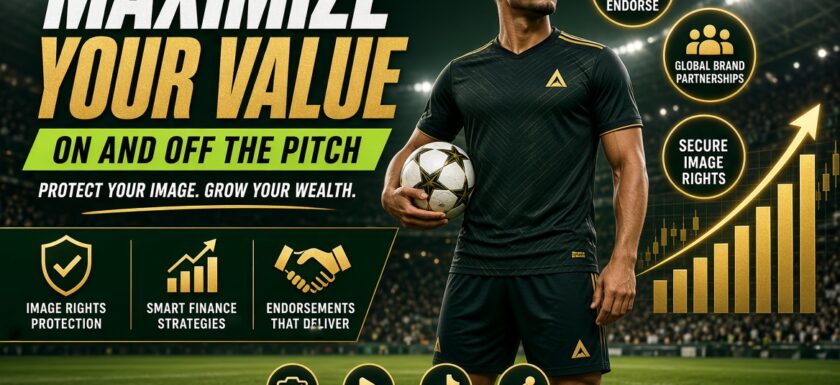
In modern soccer, a player’s value is no longer limited to what they do on the pitch. Player image rights have become a major source of income for top footballers and an important part of club and league finances. From endorsement deals to social media partnerships, stars now monetize their personal brand in ways that can sometimes exceed their playing salaries.
This guide explains how image rights work, why they matter, and how the model is evolving in MLS and global football as the 2026 World Cup approaches.
1. What Are Player Image Rights?
Image rights refer to a player’s control over the commercial use of their name, likeness, voice, signature, and personal brand. When a company wants to use a player in advertising, on merchandise, or in promotional campaigns, it usually needs permission — and that permission is typically granted through an image rights agreement.
These rights can be owned or managed by:
- The player personally
- A company set up by the player (common in many countries)
- The club (in some contracts, clubs share or control certain rights)
Clear agreements help avoid disputes between players, clubs, and sponsors.
Main Sources of Image Rights Income
| Income Source | Description | Typical Level |
|---|---|---|
| Brand Endorsements | Deals with sportswear, lifestyle, or consumer brands | Very High for top stars |
| Social Media Partnerships | Paid posts and ambassador roles | High and growing |
| Appearances & Events | Paid public or corporate appearances | Medium to High |
| Licensing & Merchandise | Use of name/likeness on products | Medium to High |
| Club-Related Commercial Use | Promotional activity tied to the team | Varies by contract |
2. Why Image Rights Matter to Players
For elite players, off-field earnings can form a large part of total income. Strong personal brands allow footballers to:
- Secure long-term endorsement deals
- Build businesses beyond their playing careers
- Increase their overall market value
- Create financial security after retirement
Players with global appeal, large social media followings, and positive public images are especially attractive to brands. Performance on the pitch still matters, but personality, marketability, and consistency also play major roles.
3. Image Rights and Clubs
Clubs also have an interest in how image rights are handled. In many contracts, clubs negotiate a share of commercial opportunities or retain certain rights related to team promotions. This helps clubs benefit from the popularity of their star players while still allowing individuals to build personal brands.
Well-structured agreements create a balance:
- Players can earn from their individual fame
- Clubs can use player images for official marketing
- Sponsors get clarity on usage rights
Disputes sometimes arise when boundaries are unclear, which is why detailed contracts are essential.
4. Image Rights in MLS and American Soccer
In MLS, the commercial landscape is still developing compared to the biggest European leagues, but the potential is growing quickly. Star players who arrive with existing global brands can significantly boost a club’s visibility and sponsorship appeal.
Key trends in American soccer include:
- Rising interest from lifestyle and tech brands
- Greater use of player social media for club promotion
- Opportunities linked to the 2026 World Cup spotlight
- Growing importance of personal branding for both international and domestic players
As MLS audiences expand, more players are likely to secure meaningful endorsement and ambassador deals.
On-field performance remains the foundation of a player’s marketability. Fans can follow form and trends through resources such as accurate football predictions and free football predictions.
5. The Role of Social Media
Social media has transformed player image rights. Platforms allow footballers to communicate directly with millions of fans, making them more attractive to brands that want authentic engagement.
Benefits of strong social media presence include:
- Higher endorsement fees
- Direct partnership opportunities
- Greater control over personal narrative
- Long-term audience ownership beyond any single club
Players who combine on-field success with smart digital branding are often best positioned to maximize image rights income.
6. Looking Ahead to 2026 and Beyond
The 2026 FIFA World Cup will place an even bigger global spotlight on players and the leagues they represent. This increased visibility is likely to create new commercial opportunities, especially for athletes who perform well on the biggest stage.
Future trends to watch include:
- More sophisticated personal brand management
- Greater involvement of specialized agencies
- Expanded opportunities in the U.S. market
- Closer integration between club and personal commercial activities
- Rising value of digital and content-based partnerships
Image rights will continue to grow as a key pillar of player income and an important part of the wider soccer economy.
Conclusion
Player image rights represent one of the most dynamic areas of soccer finance. They allow footballers to turn personal fame into long-term commercial value while giving clubs and brands new ways to connect with fans. As the game grows in the United States and the 2026 World Cup approaches, the ability to build and monetize a personal brand will become even more important.
Understanding image rights helps fans see the full picture of how modern players earn and how the business of soccer continues to evolve. What do you think is more important for a player’s brand today — on-pitch performance or social media presence? Share your thoughts in the comments and share this article with others interested in the business side of football.
